Our Ramblings
Overlooking the bay of Naples is the small city called Sorrento. With less than 20,000 inhabitants it is small however it’s a great place to use as a means of checking out nearby tourist sites such as Amalfi, Naples, Postitano, Capri and last, but not least, Pompeii.
 Connecting Amalfi and Sorrento is the Amalfi Drive which is a narrow road along the Mediterranean Sea the weaves its way along the high cliffs. You can also use Ferry boats and hydrofoils to get around and all are a great way to see the areas. Each area has something to offer whether it’s beaches, architecture, location and booze. Sorrento is famous for the production of limoncello so as you might expect there are many stores from which to buy this ‘digestif’ that’s made from alcohol, water and sugar and lemon rinds (hence the name).
If you want churches then look no further … they’re right here
The buggers are everywhere. They are a part of the history and culture of the Sorrento Peninsula and the Amalfi Coast.
* Sorrento Cathedral
A cathedral that was built around the 11th century. This one has a ceramic clock in the bell tower.
* Basilica di San Antonino – Sorrento
This basilica was built around the 10th century in honor of Saint Anthony who was the patron saint of navigators. There’s a crypt here that supposedly holds the tomb of Sain Anthony.
 * Saint Francis Cloisters – Sorrento
This one has a style all of its own with many of architectural styles that range from the late gothic to the renaissance periods. It’s been restored many times hence the many styles.
* Sedil Dominova – Sorrento
A unique testimony to the ancient “sedile”, which was the building in which the city fathers gathered to make laws and decide on economic and administrative matters. A magnificent majolica-tiled dome covers the arcaded loggia of the Sedil Dominova.
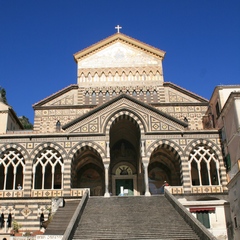
* Amalfi Cathedral
A 9th century cathedral built in Amalfi and reconstructed, albeit party, at a later date in Arabian-Sicilian style.
* Ancient Arsenals of the Amalfi Republic
These are the maritime Arsenales and date back to the 9th century. Originally there were 22 pointed-arch arcades that all pointed out towards the sea however today only12 remain.
Amalfi
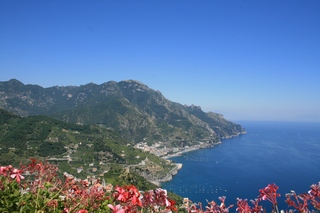 Amalfi has an interesting history. It was was originally a Roman colony but will the fall of the Empire it became a diocese (596 AD). After than the entire coastline lost its way and actually became property of the Duchy of Naples. Later, in 839, the city declared its independence and to become an autonomous republic named The Maritime Republic of Amalfi. Okay so it may not be the most catchy name but it did prosper. Its prosperity was due to its trading with the whole of the Italian peninsula, North Africa, the Middle East and the Byzantine Empire. The more trading it did the prosperous it became and in turn the more attractive target it became for pirates. Not unlike the world today, it also became a target of its neighbors. Eventually in the early 1100’s it was brought under the Kingdom of Sicily however it did retain some independence in managing some if its economy and trading.
 The economy declined ever since the repeated pirate attacks and to add insult to injury in 1643 the plague took the lives of a third of the coastal population. The blessing and the curse of tourism has seen a revival in the region starting in the second half of the 19th century. And rest is, as they say, history.
Useless fact : Amalfi can also lay claim to be the birthplace of the inventor of the compass. That didn’treally help the economy but it’s still something.
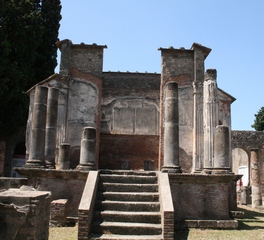
Pompeii
There’s so much written on the web about this place that I won’t bore people with any more.
What I will say is that if you’re going here beware of the heat. In summer temperatures can easily get into the 40’s and even low 50’s so if you’re planning visiting here at that time be prepared and take lots of water and bring the strongest sun screen known to man, woman or tourist!